

Introduction
This article contains affiliate links. We may earn a commission if you book through these links, at no additional cost to you.
Brazil is a country of extraordinary diversity. Covering nearly half of South America’s landmass, it stretches from the dense Amazon Rainforest in the north to the rolling vineyards and European-inspired towns of the south. Along its 7,400-kilometer (4,600-mile) Atlantic coastline, you’ll find golden beaches, dramatic cliffs, tropical islands, and bustling cities that pulse with music and culture.
While many visitors immediately think of Rio de Janeiro, Christ the Redeemer, and Carnival, Brazil offers far more than its famous postcards. Nature lovers can explore one of the most biodiverse rainforests on Earth, wildlife enthusiasts can spot jaguars in the Pantanal, and adventure seekers can hike across surreal white sand dunes filled with crystal-clear lagoons.
Brazil is also a cultural mosaic. Indigenous traditions, Portuguese heritage, African influences, and waves of immigration from Europe, the Middle East, and Asia have shaped a nation with world-renowned cuisine, music, festivals, and architecture.
This guide highlights ten of the best places to visit in Brazil, from iconic landmarks to natural wonders that many international travelers overlook. Whether you’re planning a two-week vacation or an extended journey through South America, these destinations showcase the incredible variety Brazil has to offer.
Table of Contents
Why Visit Brazil?
Brazil appeals to almost every type of traveler.
If you enjoy beaches, you’ll discover some of the most beautiful coastlines in the world. If wildlife fascinates you, few countries rival Brazil’s biodiversity. History enthusiasts can wander through colonial towns dating back hundreds of years, while food lovers can sample regional dishes that vary dramatically from one state to another.
Some of Brazil’s biggest highlights include:
- World-famous beaches
- UNESCO World Heritage Sites
- The Amazon Rainforest
- Incredible waterfalls
- Diverse wildlife
- Vibrant nightlife
- Friendly local culture
- Excellent adventure travel opportunities
Although Brazil is enormous, its well-developed domestic flight network makes it relatively easy to combine multiple destinations during a single trip.
1. Rio de Janeiro
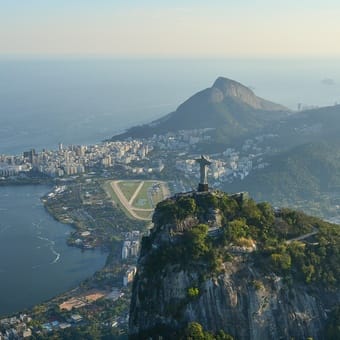
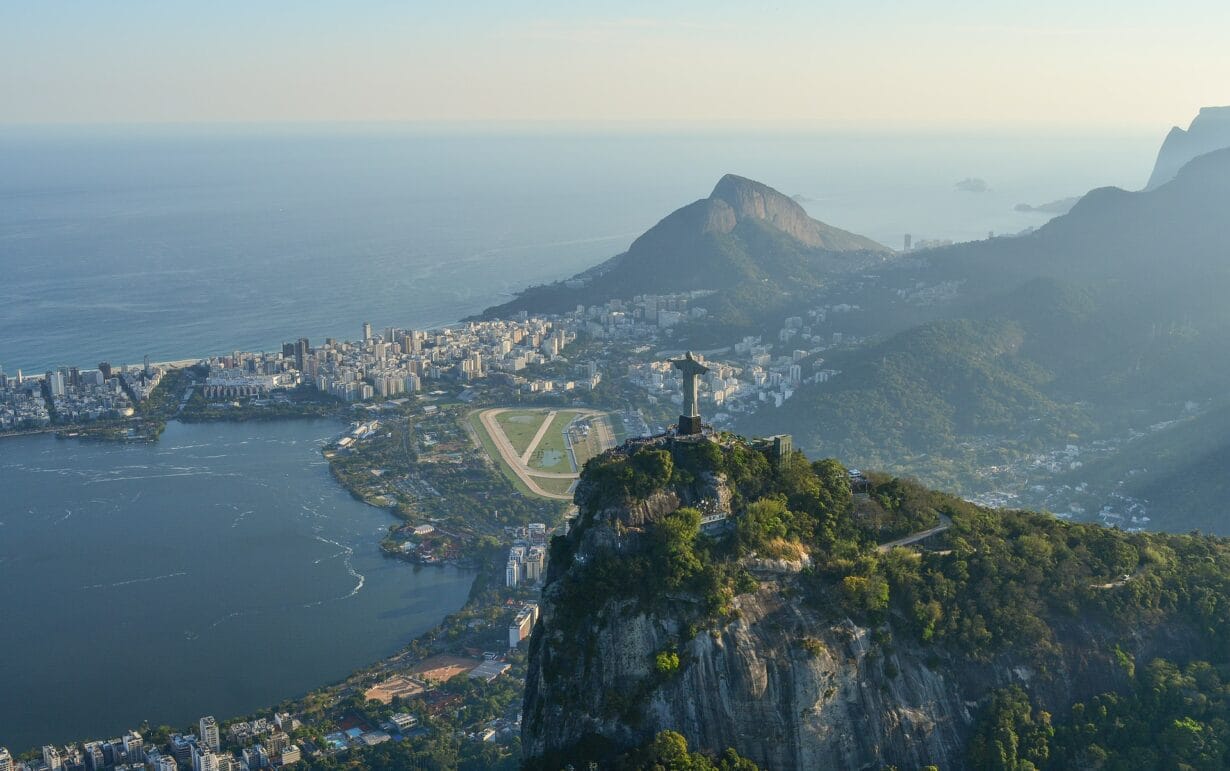
Rio de Janeiro is often called one of the world’s most beautiful cities, and for good reason. Mountains rise dramatically from the Atlantic Ocean, lush forests surround urban neighborhoods, and world-famous beaches stretch along the coastline.
For many travelers, Rio serves as the gateway to Brazil, but it deserves much more than a quick stop.
Why Visit
Rio combines spectacular natural scenery with an energetic urban culture unlike anywhere else in the world. Whether you’re watching the sunset from Sugarloaf Mountain or listening to samba music in Lapa, the city constantly surprises visitors.
Top Attractions
Christ the Redeemer remains Brazil’s most iconic landmark. Standing more than 30 meters (98 feet) tall atop Corcovado Mountain, the statue offers sweeping views across the city.
Sugarloaf Mountain is another must-visit attraction. Visitors ride two cable cars to the summit, where panoramic views stretch across Guanabara Bay, Copacabana Beach, and the surrounding mountains.
Travelers short on time can visit Christ the Redeemer and Sugarloaf Mountain on a guided tour.
No visit is complete without spending time on Copacabana and Ipanema beaches. While both attract visitors year-round, each has its own atmosphere. Copacabana is lively and energetic, while Ipanema tends to attract a slightly more relaxed crowd.
Other highlights include:
- Tijuca National Park
- Selarón Steps
- Maracanã Stadium
- Botanical Garden
- Santa Teresa neighborhood
Best Time to Visit
May through October generally offers comfortable temperatures with less rainfall. Travelers hoping to experience Carnival should plan well in advance, as accommodations sell out quickly.
Compare hotels in Rio de Janeiro, particularly around Copacabana and Ipanema.
Travel Tip
Visit Christ the Redeemer early in the morning to avoid both crowds and afternoon haze.
Arriving at Galeão Airport? Pre-book a private transfer to your Rio hotel.
2. Iguazu Falls
Few natural wonders rival the sheer power of Iguazu Falls.
Located on the border between Brazil and Argentina, this UNESCO World Heritage Site consists of approximately 275 waterfalls spread across nearly three kilometers (1.7 miles). The constant roar of rushing water can be heard long before visitors reach the viewing platforms.
Many travelers compare Iguazu Falls to Niagara Falls, but the experience is dramatically different. Instead of a single waterfall, visitors are surrounded by hundreds of cascades flowing through subtropical rainforest.
Why Visit
The Brazilian side provides spectacular panoramic views, while the Argentine side allows visitors to walk directly above many of the waterfalls.
Together they create one of the most unforgettable experiences in South America.
Top Attractions
The Devil’s Throat (Garganta do Diabo) is the largest and most dramatic section of the falls.
Additional highlights include:
- Elevated viewing walkways
- Macuco Safari boat tour
- Helicopter flights
- Bird Park (Parque das Aves)
- Iguazu National Park
Adventure seekers can combine Iguazu Falls, Bird Park and the Macuco Safari in one guided excursion.
The surrounding rainforest is home to toucans, colorful butterflies, monkeys, coatis, and countless bird species.
Best Time to Visit
March through May and August through October generally offer pleasant temperatures with excellent water flow.
Compare hotels in Foz do Iguaçu near the park entrance or city center.
Travel Tip
If your itinerary allows, visit both the Brazilian and Argentine sides. Each provides a completely different perspective.
3. The Amazon Rainforest
No destination represents Brazil’s natural heritage more than the Amazon.
Covering millions of square kilometers, the Amazon Rainforest contains the greatest biodiversity on Earth. It is home to thousands of animal species, hundreds of Indigenous communities, and rivers so vast they resemble inland seas.
For many travelers, the city of Manaus serves as the starting point for Amazon adventures.
Most travelers spend at least one night in the city; compare hotels in Manaus before continuing into the rainforest.
Why Visit
The Amazon offers experiences that simply cannot be found anywhere else.
Instead of sightseeing from buses or museums, visitors explore by canoe, riverboat, and jungle trail while searching for wildlife hidden among towering rainforest trees.
Each day presents opportunities to encounter fascinating species including:
- Pink river dolphins
- Sloths
- Macaws
- Caimans
- Capuchin monkeys
- Giant water lilies
Although jaguars are notoriously elusive within dense rainforest, they occasionally appear in more open regions of the Amazon basin.
Top Experiences
Many visitors spend several nights at jungle lodges located deep within protected rainforest.
For a deeper experience, book a multi-day Amazon jungle tour from Manaus.
Popular activities include:
- Canoe excursions
- Wildlife photography
- Night safaris
- Fishing for piranhas
- Indigenous cultural visits
- Guided rainforest hikes
One of the region’s most famous natural phenomena is the Meeting of the Waters, where the dark Rio Negro and the sandy-colored Solimões River flow side by side for several kilometers before merging to form the Amazon River.
Best Time to Visit
The Amazon can be visited year-round.
High-water season typically occurs between December and May, allowing boats to travel deeper into flooded forests.
Low-water season from June through November reveals beaches, hiking trails, and different wildlife viewing opportunities.
Travel Tip
Always explore the rainforest with experienced local guides. Their knowledge greatly increases your chances of spotting wildlife while ensuring safe and responsible travel.
4. Salvador
Few cities capture Brazil’s cultural identity as vividly as Salvador.
Founded in 1549, Salvador served as Brazil’s first colonial capital and remains one of the country’s most historically significant cities. Today it is celebrated for its colorful colonial architecture, Afro-Brazilian heritage, lively music scene, and distinctive cuisine.
Walking through Salvador’s historic center feels like stepping into another era. Cobblestone streets wind between brightly painted buildings, centuries-old churches, artisan markets, and lively plazas filled with musicians and dancers.
Why Visit
Salvador offers one of the richest cultural experiences in Brazil.
African traditions have profoundly influenced the city’s music, religion, dance, and food, creating a unique atmosphere unlike any other destination in South America.
Top Attractions
The Pelourinho Historic Center, recognized as a UNESCO World Heritage Site, is Salvador’s cultural heart.
A guided Pelourinho walking tour provides valuable context about the city’s Afro-Brazilian history.
Visitors should also explore:
- Elevador Lacerda
- São Francisco Church
- Mercado Modelo
- Porto da Barra Beach
- Farol da Barra Lighthouse
Food lovers should not miss traditional Bahian specialties such as moqueca, acarajé, and vatapá.
Food lovers can also join a Bahian food tour with local tastings.
Best Time to Visit
September through March offers warm weather and numerous cultural festivals.
Compare hotels in Salvador, including stays near Pelourinho and Barra.
5. Fernando de Noronha
If you’re searching for Brazil’s most pristine island paradise, look no further than Fernando de Noronha.
Located approximately 350 kilometers (217 miles) off Brazil’s northeastern coast, this volcanic archipelago consists of 21 islands and is widely regarded as one of the country’s most spectacular destinations. Strict visitor limits and conservation efforts have helped preserve its crystal-clear waters, abundant marine life, and unspoiled beaches.
Unlike many tropical islands that have been heavily developed, Fernando de Noronha remains remarkably untouched. Visitors are rewarded with dramatic cliffs, secluded coves, turquoise waters, and some of the best snorkeling and diving in the South Atlantic.
Why Visit
Fernando de Noronha is a paradise for nature lovers. The islands are home to sea turtles, spinner dolphins, reef sharks, colorful tropical fish, and healthy coral reefs.
Its beaches consistently rank among the most beautiful in the world.
Top Attractions
Baía do Sancho is often listed among the world’s best beaches. Accessible by descending a series of ladders through narrow rock formations, the beach rewards visitors with powdery sand and exceptionally clear water.
Other highlights include:
- Baía dos Porcos
- Praia do Leão
- Dolphin Bay
- Morro Dois Irmãos viewpoint
- Atalaia Natural Pool
Divers can explore shipwrecks, underwater caves, and volcanic rock formations while encountering rays, turtles, and schools of tropical fish.
One of the easiest ways to see the island’s beaches and viewpoints is on a full-day Fernando de Noronha island tour.
Best Time to Visit
August through February generally provides calm seas and excellent underwater visibility.
Travel Tip
Visitor numbers are limited, and accommodations sell out quickly. Book flights and hotels several months in advance, especially during holidays.
Because availability is limited, compare Fernando de Noronha accommodations and search for flights to Fernando de Noronha several months ahead.
6. Pantanal
While the Amazon is famous for biodiversity, the Pantanal offers something equally remarkable: visibility.
As the world’s largest tropical wetland, the Pantanal provides some of the best wildlife viewing opportunities anywhere in South America. Unlike dense rainforest, the open landscapes make it much easier to spot animals in their natural habitat.
Stretching across western Brazil and into neighboring Bolivia and Paraguay, the Pantanal is a dream destination for wildlife photographers.
Why Visit
Few places on Earth offer better chances of seeing jaguars in the wild.
Visitors may also encounter:
- Giant anteaters
- Giant otters
- Capybaras
- Hyacinth macaws
- Tapirs
- Caimans
- Marsh deer
- Hundreds of bird species
The region contains one of the greatest concentrations of wildlife in the Americas.
Top Experiences
Most visitors stay on traditional cattle ranches known as fazendas, many of which now operate as eco-lodges.
Popular activities include:
- Jaguar safaris
- Birdwatching
- Horseback riding
- Boat excursions
- Canoe trips
- Night wildlife drives
- Nature photography
The northern Pantanal near Porto Jofre is especially famous for jaguar sightings.
Travelers hoping to see big cats can join a multi-day Pantanal jaguar safari.
Best Time to Visit
July through October is generally considered the best wildlife viewing season because animals gather around shrinking water sources.
Travel Tip
Bring binoculars and a telephoto lens if you’re interested in wildlife photography.
7. Lençóis Maranhenses National Park
Few landscapes on Earth look as surreal as Lençóis Maranhenses.
Located in northeastern Brazil, this extraordinary national park features endless white sand dunes stretching toward the horizon. During the rainy season, thousands of rainwater lagoons form between the dunes, creating vivid blue and emerald pools that appear almost otherworldly.
From above, the park resembles giant white bedsheets, which inspired its Portuguese name, meaning “Bedsheets of Maranhão.”
Why Visit
Lençóis Maranhenses is unlike any desert in the world.
Although the dunes resemble the Sahara, they receive enough rainfall each year to create seasonal freshwater lagoons that attract swimmers and photographers from around the globe.
Top Attractions
The most popular lagoons include:
- Lagoa Azul
- Lagoa Bonita
- Lagoa da Esperança
Adventure travelers can also enjoy:
- 4×4 excursions
- Sandboarding
- Hiking through the dunes
- Sunset viewpoints
- Scenic flights
A full-day 4×4 tour of Lagoa Azul and Lagoa Bonita is an efficient introduction to the park.
Nearby towns such as Barreirinhas and Atins serve as excellent bases for exploring the park.
Compare accommodations in Barreirinhas and Atins before choosing your base.
Best Time to Visit
June through September offers the fullest lagoons and the most spectacular scenery.
Travel Tip
Hire a certified local guide. Navigation through the dunes can be surprisingly challenging because the landscape constantly changes with the wind.
8. São Paulo
Although many visitors overlook São Paulo in favor of Brazil’s beaches, South America’s largest city offers an entirely different experience.
With more than 20 million people in its metropolitan area, São Paulo is Brazil’s financial and cultural capital. It boasts world-class museums, exceptional restaurants, vibrant nightlife, and one of the most diverse culinary scenes anywhere in the world.
Why Visit
São Paulo rewards travelers who enjoy art, architecture, food, shopping, and urban exploration.
The city’s multicultural heritage reflects generations of immigration from Italy, Japan, Lebanon, Portugal, and many other countries.
Today, São Paulo is home to the largest Japanese community outside Japan.
Top Attractions
Avenida Paulista serves as the city’s cultural backbone.
Other highlights include:
- São Paulo Museum of Art (MASP)
- Ibirapuera Park
- Municipal Market
- Liberdade District
- Batman Alley
- Pinacoteca Museum
- Municipal Theatre
A guided São Paulo highlights tour can help first-time visitors cover neighborhoods such as Liberdade and Vila Madalena.
Food lovers will find everything from Michelin-starred restaurants to traditional street food markets.
Best Time to Visit
March through May and September through November typically provide pleasant weather.
Compare hotels in São Paulo, particularly around Paulista Avenue and Jardins.
Travel Tip
Traffic can be heavy. Use the metro whenever possible, especially during rush hour.
Travelers arriving at GRU can pre-book a private São Paulo airport transfer.
9. Bonito
If crystal-clear rivers, underground caves, and unforgettable wildlife encounters are at the top of your travel wish list, Bonito should be one of your first stops in Brazil.
Located in the state of Mato Grosso do Sul, Bonito has earned an international reputation as one of South America’s premier ecotourism destinations. Strict environmental regulations help protect its fragile ecosystems, ensuring visitors can enjoy pristine landscapes while supporting sustainable tourism.
Unlike many destinations where nature has been impacted by mass tourism, Bonito remains remarkably well preserved. Visitor numbers are carefully managed, making every experience feel more intimate and authentic.
Why Visit
Bonito is famous for its exceptionally clear rivers, where visibility can exceed 40 meters (130 feet). Floating gently downstream while surrounded by colorful tropical fish is one of Brazil’s most unique travel experiences.
The region also offers spectacular waterfalls, limestone caves, and dense forests filled with wildlife.
Top Attractions
Rio da Prata is one of Bonito’s signature experiences. Visitors snorkel through transparent waters alongside schools of fish in an environment that feels almost surreal.
Reserve a guided Rio da Prata snorkeling experience well ahead of your visit.
Other highlights include:
- Gruta do Lago Azul (Blue Lake Cave)
- Abismo Anhumas
- Boca da Onça Ecotour
- Estância Mimosa Waterfalls
- Rio Sucuri floating tours
- Buraco das Araras (Macaw Sinkhole)
Many activities are guided to ensure the delicate ecosystems remain protected.
Best Time to Visit
Bonito is a year-round destination.
The dry season from May through September offers excellent visibility for snorkeling, while the rainy season transforms waterfalls into spectacular displays.
Travel Tip
Reserve excursions well in advance, particularly during Brazilian holidays. Many attractions have daily visitor limits.
Because excursions have limited capacity, compare hotels in Bonito and reserve your activities together.
10. Florianópolis
Often called simply “Floripa” by locals, Florianópolis consistently ranks among Brazil’s best places to live and one of its top vacation destinations.
Situated primarily on Santa Catarina Island in southern Brazil, the city combines modern urban amenities with more than 40 beautiful beaches, scenic hiking trails, sand dunes, lagoons, and charming fishing villages.
It has also become a growing hub for entrepreneurs, technology companies, and digital nomads, creating an appealing blend of laid-back beach culture and innovation.
Why Visit
Florianópolis offers incredible variety.
One day you can surf world-class waves, hike through Atlantic Forest, explore colonial villages, and finish the evening enjoying fresh seafood overlooking the ocean.
Its relaxed atmosphere makes it especially attractive for travelers seeking a slower pace than Rio de Janeiro or São Paulo.
Top Attractions
Some of the island’s most popular beaches include:
- Praia Mole
- Joaquina Beach
- Campeche Beach
- Lagoinha do Leste
- Jurerê Internacional
Other attractions include:
- Lagoa da Conceição
- Hercílio Luz Bridge
- Santo Antônio de Lisboa
- Barra da Lagoa
- Sandboarding on Joaquina Dunes
Active travelers can hike to Lagoinha do Leste with a local guide.
The island also offers excellent surfing, paddleboarding, kayaking, and whale watching during the migration season.
Best Time to Visit
December through March offers warm beach weather, while April and May provide pleasant temperatures with fewer crowds.
Compare hotels in Florianópolis near your preferred beach or neighborhood.
Travel Tip
Renting a car makes it much easier to explore the island’s many beaches and scenic viewpoints.
If you are not renting a car, pre-book a transfer from Florianópolis Airport.
Planning Your Trip to Brazil
Brazil is an enormous country, and careful planning can help you make the most of your time.
Best Time to Visit
Brazil’s seasons are opposite those in the Northern Hemisphere.
Generally:
- December to March: Summer, beaches, Carnival, and warm weather.
- April to June: Mild temperatures and fewer tourists.
- July to September: Excellent for wildlife in the Pantanal and comfortable sightseeing.
- October to November: Great weather before the busy summer season.
Because Brazil spans several climate zones, conditions vary significantly by region.
Transportation
Because of Brazil’s size, domestic flights are often the most efficient way to travel between major destinations.
Brazil also offers:
- Comfortable long-distance buses
- Ride-sharing services in major cities
- Rental cars for regional exploration
- River boats in the Amazon
Given Brazil’s size, flying often saves valuable travel time.
Safety Tips
Like many large countries, Brazil has areas that require extra awareness.
Simple precautions include:
- Avoid displaying expensive jewelry.
- Keep valuables secure.
- Use registered taxis or ride-sharing apps.
- Stay aware of your surroundings in busy tourist areas.
- Follow local advice regarding neighborhoods.
Millions of travelers visit Brazil safely every year by exercising common sense.
Frequently Asked Questions
What is the most beautiful place in Brazil?
Beauty is subjective, but Rio de Janeiro, Fernando de Noronha, Lençóis Maranhenses, and Iguazu Falls consistently rank among Brazil’s most breathtaking destinations.
Is Brazil expensive to visit?
Brazil can accommodate a wide range of budgets.
Major cities like Rio de Janeiro and São Paulo tend to be more expensive, while many smaller towns and inland destinations offer excellent value.
How many days should I spend in Brazil?
For first-time visitors, two to three weeks allows enough time to experience several regions.
A sample itinerary could include:
- Rio de Janeiro
- Iguazu Falls
- Amazon Rainforest
- Salvador
Longer trips make it easier to include destinations such as Bonito, the Pantanal, or Fernando de Noronha.
Do I need to speak Portuguese?
Portuguese is Brazil’s official language.
English is spoken at many hotels and tourist attractions, but learning a few basic Portuguese phrases will enhance your experience and is appreciated by locals.
What is Brazil famous for?
Brazil is internationally known for:
- Carnival
- Football (soccer)
- The Amazon Rainforest
- Christ the Redeemer
- Iguazu Falls
- Samba music
- Beautiful beaches
- Diverse wildlife
- Coffee production
Final Thoughts
Brazil is a destination that rewards curiosity. Beyond its iconic landmarks lies a country filled with extraordinary landscapes, vibrant cultures, and unforgettable adventures.
Whether you’re standing beneath the thunderous waters of Iguazu Falls, cruising through the Amazon Rainforest, snorkeling in the crystal-clear rivers of Bonito, or watching the sunset from Ipanema Beach, every region offers something unique.
One of Brazil’s greatest strengths is its diversity. In a single trip, you can explore bustling cosmopolitan cities, colonial towns, tropical islands, wetlands teeming with wildlife, and some of the world’s most spectacular natural wonders.
The destinations featured in this guide are only the beginning. Brazil’s vast size means there are countless hidden beaches, mountain villages, national parks, and cultural experiences waiting to be discovered.
If you’re planning your first journey to South America, Brazil is an unforgettable place to start. With thoughtful planning, an adventurous spirit, and enough time to explore beyond the famous landmarks, you’ll discover why millions of travelers return to Brazil again and again.