


Introduction
Japan has long been considered one of the best travel values among developed countries. Exceptional public transportation, remarkably clean cities, world-class food, and unforgettable cultural experiences have become surprisingly affordable for American visitors over the past few years.
Recent headlines about the Japanese yen strengthening have caused many travelers to wonder whether those bargains have disappeared. While exchange rates have shifted, the reality is much more encouraging than the headlines suggest.
If Japan has been on your travel wish list, there’s little reason to postpone your trip.
Table of Contents
Why Has the Yen Become Stronger?
Recent movements in the Japanese yen briefly captured travelers’ attention after the currency strengthened against the U.S. dollar. Why has the yen become stronger? The rebound was driven largely by intervention from Japanese and the U.S. Treasury, which bought yen to support the currency after it had fallen to multi-decade lows.
The yen received additional support from expectations of further interest-rate increases in Japan, which could make yen-denominated investments more attractive and increase demand for the currency. As a result, each U.S. dollar now buys slightly fewer yen than it did earlier in the year, but the modest change should have little effect on most travelers’ budgets and is unlikely to be a cause for concern.
For most visitors, the stronger yen translates into a modest increase in everyday expenses rather than a dramatic jump in the total cost of a vacation. Japan continues to offer excellent value through its efficient public transportation, affordable dining options, and broad range of accommodations, leaving it among the more budget-friendly destinations in the developed world.
Japan Is Still One of the Best Travel Values
Although prices have edged upward because of the stronger yen, Japan continues to offer excellent value when compared with many popular destinations.
A comfortable hotel in Tokyo often costs considerably less than an equivalent property in New York, London, Paris, or Sydney. Public transportation remains affordable, convenience stores sell surprisingly high-quality meals for just a few dollars, and many of Japan’s most famous attractions cost little or nothing to visit.
Rather than focusing on exchange rates alone, it’s worth looking at the overall travel experience.
Hotels Continue to Offer Excellent Value
Whether you’re staying in Tokyo, Kyoto, Osaka, or Fukuoka, Japan offers accommodations for nearly every budget.
Business hotels are clean, modern, and efficient, while traditional ryokans provide a memorable cultural experience complete with tatami rooms and Japanese hospitality.
Many travelers exploring neighborhoods like Asakusa, Shinjuku, or Ueno discover that staying just a few minutes from the busiest tourist areas often provides more affordable accommodations without sacrificing convenience.
Incredible Food Doesn’t Have to Be Expensive
One of Japan’s biggest surprises is how affordable excellent food can be.
For less than the cost of a fast-food meal in many American cities, visitors can enjoy:
- Fresh sushi
- Authentic ramen
- Curry rice
- Udon
- Tempura
- Donburi bowls
Convenience stores like 7-Eleven, Lawson, and FamilyMart have become famous for offering surprisingly fresh meals, snacks, desserts, and coffee at prices that make eating well on a budget remarkably easy.
Even in Tokyo, it’s entirely possible to eat delicious meals throughout the day without spending a fortune.
Transportation Remains Exceptionally Efficient
Japan’s transportation network is among the best in the world.
The famous Shinkansen (bullet train) connects major cities quickly and comfortably, while local trains and subway systems make navigating urban areas simple even for first-time visitors.
Travelers planning to visit several cities often find that regional rail passes provide excellent value throughout their journey.
For those arriving at airports such as Narita, Haneda, Kansai, or Chubu, comfortable airport transfers, limousine buses or express trains make reaching the city straightforward.
Free and Low-Cost Attractions
Many of Japan’s most memorable experiences cost very little.
Some favorites include:
- Walking through Kyoto’s historic Gion district
- Visiting Tokyo’s Senso-ji Temple
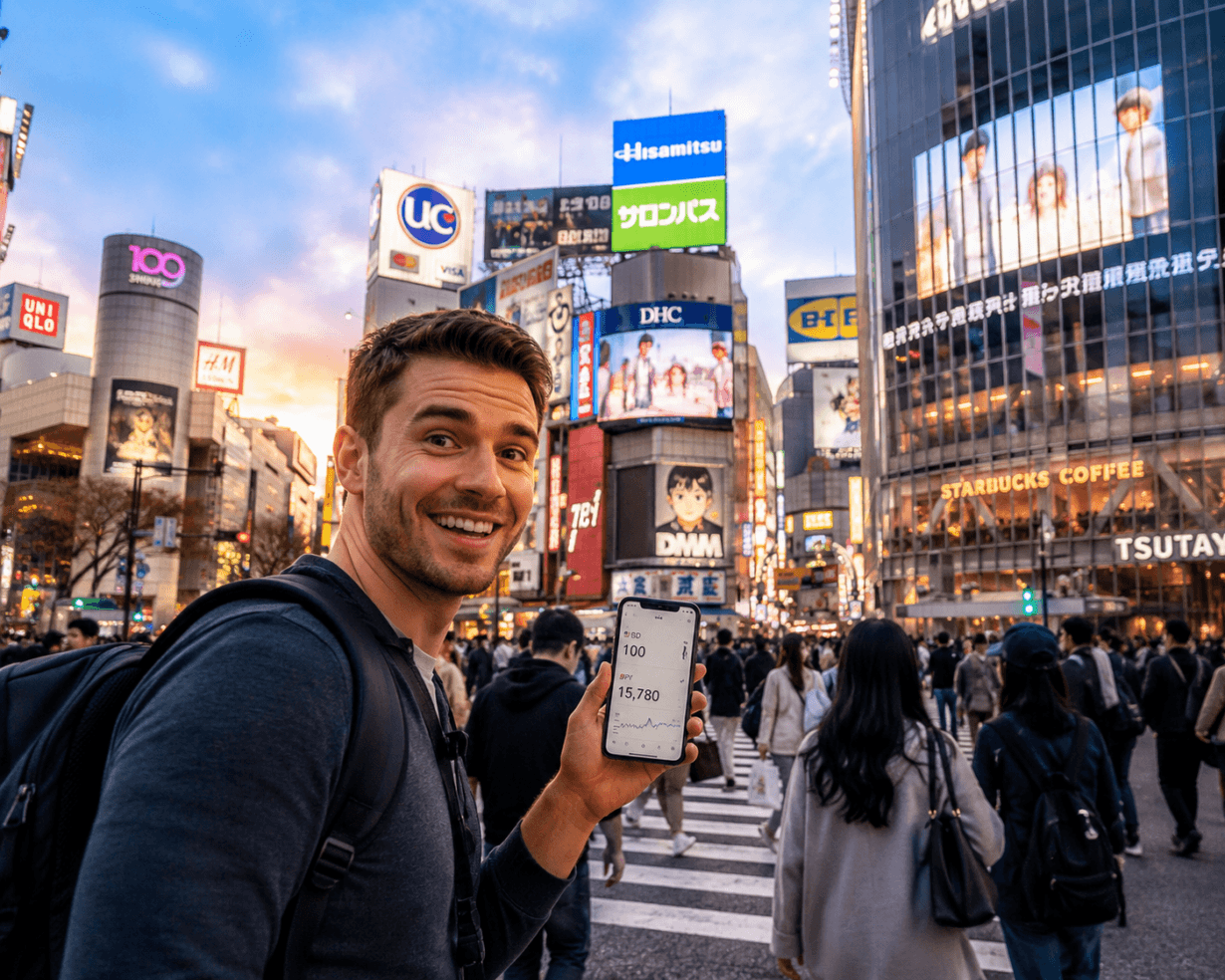
- Watching the famous Shibuya Crossing
- Exploring Osaka Castle Park
- Relaxing beneath cherry blossoms during spring
- Hiking scenic mountain trails
- Visiting traditional gardens
Several of these attractions are located near lively neighborhoods filled with restaurants, cafés, and conveniently located accommodations, making them ideal places to base yourself while exploring the surrounding area.
Shopping Can Still Be Surprisingly Affordable
Japan remains a fantastic destination for shopping.
Visitors often return home with:
- Japanese kitchen knives
- Matcha
- Stationery
- Anime collectibles
- Camera equipment
- Skincare products
- Electronics
Although imported luxury brands may cost more because of exchange rates, many locally produced items continue to offer outstanding value.
Simple Ways to Stretch Your Budget
A few practical choices can make your money go even further.
Stay Near Train Stations
Hotels within walking distance of major train stations often reduce transportation costs while making it easier to explore multiple neighborhoods each day.
Book Flights Early
International airfare typically offers the best value when booked well in advance, especially during spring cherry blossom season and autumn foliage season.
Use an eSIM
Buying a digital eSIM before arriving in Japan lets you navigate with Google Maps, translate menus, reserve tickets, and communicate without worrying about expensive roaming charges.
Join Guided Experiences
Food tours, cultural workshops, temple visits, and evening walking tours offer excellent value while helping travelers experience Japan beyond the typical sightseeing stops.
Is Now Still a Good Time to Visit Japan?
Absolutely.
While the stronger yen means travelers may spend slightly more than they would have several months ago, Japan continues to deliver exceptional value.
Outstanding transportation, clean and safe cities, unforgettable cuisine, fascinating history, and incredible hospitality combine to create a destination where the overall experience often exceeds the price.
For many American travelers, Japan remains one of the smartest international trips they can take in 2026.
Frequently Asked Questions
Has Japan become expensive for Americans?
Not significantly. A stronger yen has increased costs somewhat, but Japan remains competitively priced compared with many other developed countries.
Should I wait for the yen to weaken?
Exchange rates are difficult to predict. If you find affordable flights and accommodations that fit your budget, waiting for currency fluctuations may not result in meaningful savings.
Is Tokyo still affordable?
Yes. Travelers can find reasonably priced hotels, inexpensive restaurants, efficient public transportation, and numerous free attractions throughout the city.
How much should I budget per day?
Budget travelers can comfortably explore Japan on $80–120 per day, while mid-range travelers often spend $150–250 per day, depending on accommodation and activities.
Final Thoughts
Currency movements naturally affect international travel, but they rarely tell the whole story.
Despite the stronger yen, Japan continues to offer remarkable value through affordable accommodations, excellent transportation, outstanding food, and countless memorable experiences. For travelers seeking a destination that delivers exceptional quality without requiring a luxury budget, Japan remains one of the best choices in the world.